
I’m a business cycle person. I think that in order to be a great partner of people within a business you also have to be a good partner of and with the business. So for all the blogs, articles, and talk of those in my field always stating that we need to understand the “business” - here you go, a lesson from William Ackman on Everything You Need to Know About Finance and Investing. Enjoy your lemonade ;o)
Tag: Human Resources
Company DNA: Your Company Brand versus Culture. What should HR focus on?
From a talk I did at the Cincinnati USA Regional Chamber of Commerce as part of an the HYPE Talent Symposium.
Do agree, disagree? Why?
Conflict: It’s all in how you handle it!
The ‘WHERE’ we react is just as important as ‘HOW’
There is no question that we are all being asked to do and be more. With this increase in demand also comes, at times, an increase in conflict.
This conflict can occur between our perceived and predetermined roles and the disconnect between what others expect of our roles.
Our reactions and treatment of individuals in any situation is important. However, the way we react in the face of difficult people and times is just as telling as how we react behind the scene and away from those we have conflict with.
So Tell Me: How do you typically react?
Crisis Management Planning
“Two post in one day” you say. Well this is probably important…
Hurricane Irene is all over the news and soon to be all along the East Coast! Families and Businesses are trying to figure out how to stay safe, secure their homes as well as continue to provide during this level of a threat. My prayers to all of the East Coast (not very PC of me huh…)
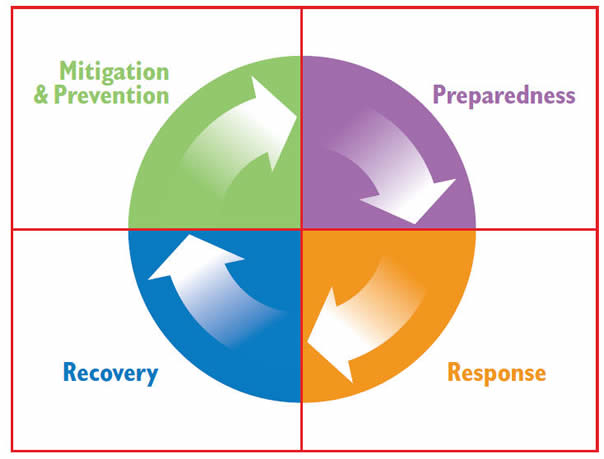
Often when we talk about business and HR we don’t often address the need for a Crisis Management Plan. We take it for granted. No better example of taking a crisis for granted than that of the FEMA disaster and Hurricane Katrina.
Having a Crisis Communication Plan is important
A Crisis Communication Plan|Manual should be created to provide a proactive, truthful, emphatic response in an effort to inform; maintain loyalty and confidence; and contribute to redeployment of your services in the event, during and after a crisis. It is best if a dedicated team is created to help educate and inform people before and during the crisis.
Guidelines you create in a Crisis Communication Plan | Manual should convey
- how to communicate information to those affected by the crisis – employees, customers, shareholders and other stakeholders, as well as the media,
- intent to make certain key people know their roles and responsibilities when an actual crisis is taking place,
- an effort to decrease the level of chaos that ensues during a crisis, and
- that key people that can manage the crisis itself.
Other steps to be taken in the preparedness process should include:
- Risk assessment of the business (and based on that, possible updates to the manual),
- media training for executives,
- regular mock crisis drills, and
- crisis management training of facility leaders.
Your potential problems | challenges
1. Implementation of the Crisis Management Plan:
- While a Crisis Communications Guidelines manual could be developed, there is not always a direct and comprehensive process or tool you could put in place to implement actual crisis management consistently across the organization. A defined process is necessary, as well as the designation of a crisis management team, or the key individuals who would actually manage the crisis and restore business continuity in the event of a crisis situation.
- A crisis manual can be created to help assist in the communications during the actual crisis providing employees have the opportunity to focus all their efforts on the actual management of the crisis itself.
- Determine the People, Positions, and Relationships that need to be a part of this process: Crisis Mgmt. Team, facility leaders and communications team.
2. Current Crisis Preparedness Questions
- Do you have one?
- Who are they and are they prepared to address, contain and resolve a crisis situation?
- Major customer contact lists? Do we have them?
- If so, are they available in hard copy, off site? - Yes – once the Communications Guidelines have been approved and published, hard copies of all content will be retained
- “Systems down” communication backup plans during a crisis?
- Have we ever had a mock crisis drill?
- Do we have a trained crisis spokesperson?
- Do employees throughout the organization need to be trained on what to do in the event of a crisis situation?
3. Potential areas for crisis – See Crisis Communications Guidelines for full list
- Computer system failure, system compromised
- Fatality on premise
- Serious accidents involving an employee or employees
- Explosion, fire, hazardous chemical issue or natural disaster
- Product problem
- Illegal or unethical behavior
- Serous environmental issue
4. Business misconceptions and challenges:
- No money in the budget
- No time – we are busy making sales and trying to grow the company
- Not a strategic priority
- It won’t happen here
- We can deal with it if, and when, it happens
- Decreased sales
- Negative media coverage
- Lost pending deals
- Lost partners, key vendors, investors, banking relationships and shareholders
- Declined employee morale
- Negative impact to brand/reputation
5. Learning Opportunities:
- Effective use of problem solving processes.
- Identifying the areas and potential risk of departments face both internally and externally.
- Identifying ways to build a high performance department, team and organization, defining and exploring learning and actionable outcomes for succession planning.
6. Who are the potential people/resources to reach out to for more information and guidance?
So, what is your crisis management plan?
Resources: