Last week I had the pleasure of presenting at the Greater Cincinnati ASTD. The subject, an adjusted and tweaked version of my Building Leadership Development from Scratch.
From what I was told it was the highest and best attended monthly meeting they had for the year… I think that is pretty cool. Without further adieu here are the slides from that session. If you would like to have a downloaded version please subscribe to the blog and then contact me and I would be happy to send you the notes!
When I hear the term Talent Management, I often hear it talked about in the context of recruiting and sourcing. Now I may be completely off, but to me, Talent Management is much more than just finding people for the role. It’s much more than finding the RIGHT people for a company to fill a job. Talent management is more than just recruiting. It is about how you interact, engage and build the people you have, to retain and develop them and even if they leave you, they will want to come back!
One definition I found was this: Talent Management is a holistic approach to optimizing human capital, which enables an organization to drive short- and long-term results by building culture, engagement, capability, and capacity through integrated talent acquisition, development, and deployment processes that are aligned to business goals.
Umm yeah… right. My eyes roll to the back of my head like when I was in my human psychology & anthropology classes’ freshman year.
There are many debates within the circles of HR on how you should Manage Talent. Here is what Talent Management is to me.
Talent Management = Sourcing: All you are doing is finding ways to differentiate you from the competition. Just like a candidate, you are defining and setting up how you will identify, search and contact talent. At the same time, maybe subconsciously you are projecting that beautiful and trendy word called a ‘brand’ that will attract the best, the brightest and help you somehow keep them! At the beginning of hiring, it is a sourcing strategy. You outline responsibilities; define the steps, & plans for contingencies. You also define what success looks like. Your methods become a toolkit that will set your approach and allow you to be flexible. However, this doesn’t mean you should just network or source to fill orders, meet deadlines or be “on to the next one.”
Talent Management = Talent Development: If you get the best and the brightest and ignore their need for development after they arrive, you lose the potential you once had.Talent development happens within performance management and consulting. It works when you help an individual identify and assess their needs in order for them to be prepared in performing their responsibilities to the company. By identifying where they are, where they need to be and the gaps that exist; you will keep them from or allow them to succeed. By identifying the appropriate tools and experiences for that individual, you better position the current talent to reach their full potential and contribute to the value and bottom line. This makes everyone’s job much easier ~ at least in theory.
Talent Management = Succession Planning: This simply means that an organization identifies key roles that need to be filled and the people that need to fill them when the time is right. It is preparing people and positions, getting them ready for a transition and change; not just with the possible change of a person in a position but also within the organization.
I talked to a colleague the other day and I think that there is a lack of this happening. In the current economy you would think that planning for possibility of replacement of key roles would be essential. That you would create opportunities for cross-training, identify people within the company that could fill the pipeline for unforeseen or potential. Yet with budgets dwindling and the focus being on surviving, many are forgetting that they may be surviving now, but when they get out of the trenches, will they thrive?
Talent Management = Saying what you mean, mean what you say: If you boast a great brand. Preach an awesome culture and praise what the organization will do for current and potential employees… and then don’t deliver… you not only hurt the company but also your own reputation. Now is a time where people want and appreciate honesty. Just as you are trying to make a well informed decision from the talent pool you have at your disposal, the candidates are also selecting you based on the promises you keep and the lies you tell.
Talent Management = Leadership: All of leadership, from the hiring manager and recruiter to the department head and CEO need to walk the walk, talk the talk and be ready to show that if need be, they will run with the heard to do the work that needs to be done to help make everyone be successful.
Above all Talent Management = People: In the end, it’s about people. I mean, you’re not managing androids, recruiting machines or training dogs. You are maximizing an individual’s potential to help you and the organization maximizes results! Don’t just be about the money they make for you. Don’t just hire them, forget them and then move On to the Next One…
Disclaimer: This post was originally on the NAS Recruiting Talent Talk Blog in March of 2010 (without the images and narly video). NAS Recruitment Communications has created and evolved solutions to assist organizations with their recruiting, employment branding and on-boarding/retention efforts. They have not paid me nor nudged me in their direction to advertise them. Check them out.

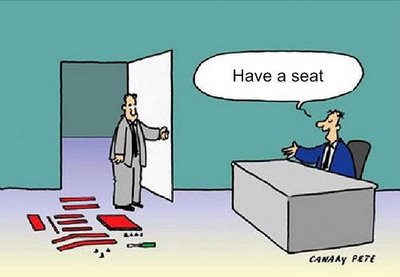 Talent Management = Talent Development: If you get the best and the brightest and ignore their need for development after they arrive, you lose the potential you once had. Talent development happens within performance management and consulting. It works when you help an individual identify and assess their needs in order for them to be prepared in performing their responsibilities to the company. By identifying where they are, where they need to be and the gaps that exist; you will keep them from or allow them to succeed. By identifying the appropriate tools and experiences for that individual, you better position the current talent to reach their full potential and contribute to the value and bottom line. This makes everyone’s job much easier ~ at least in theory.
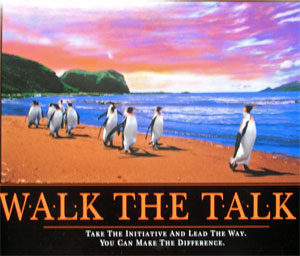 Talent Management = Saying what you mean, mean what you say: If you boast a great brand. Preach an awesome culture and praise what the organization will do for current and potential employees… and then don’t deliver… you not only hurt the company but also your own reputation. Now is a time where people want and appreciate honesty. Just as you are trying to make a well informed decision from the talent pool you have at your disposal, the candidates are also selecting you based on the promises you keep and the lies you tell.